01
Carts get abandoned
Checkout is long, confusing, or difficult to use on mobile.
We fix errors, improve speed, simplify checkout, and connect the integrations your business needs. We work with both new projects and stores that have been modified by multiple contractors over the years.
The issue is rarely one major bug. Sales are usually held back by dozens of small problems: extra fields, slow pages, poor search, manual manager work, and modules that conflict with each other.
Checkout is long, confusing, or difficult to use on mobile.
Orders, stock, and customer data have to be copied manually.
Catalog and product pages load slowly and frustrate buyers.
One update breaks another feature, and the cause is hard to trace.
The mobile experience and product presentation lag behind competitors.
Technical fixes pile up because no developer is consistently available.
We can handle one specific task or build a complete store improvement roadmap — from technical audit to accounting-system integration.
We simplify the path to purchase, remove unnecessary fields, and configure delivery and payment.
We refresh individual sections or the whole interface without forcing a platform change.
We help customers find products faster and make the catalog easier for managers to control.
We automate the exchange of orders, customers, products, prices, and stock.
We connect local and international payment systems, carriers, and custom delivery methods.
We find bottlenecks in code, queries, and modules, reducing load and layout shifts.
We implement SEO specifications: URLs, schema, metadata, indexing, and internal linking.
We plan the next improvements, monitor stability, and retain the context of your project.
We do not rebuild a working store simply because someone else wrote the code. We review the architecture, modifications, integrations, and dependencies before proposing a safe implementation.
We inspect the OpenCart version, theme, OCMOD/VQMod, modules, and critical integrations.
Before work starts, we explain what can be changed locally and what needs deeper refactoring.
We back up, test user scenarios, and verify connected functionality.
We demonstrate the completed work, explain the changes, and leave a clear result.
Every task is tied to a clear outcome for the customer, manager, or store owner.
A long form, unnecessary fields, and confusing delivery options.
A compact checkout with the right fields, helpful prompts, and a clear finish.
Slow search, overloaded filters, and dead-end results.
Fast results, logical options, and convenient mobile navigation.
Managers copied orders and checked stock manually.
Data moves automatically between the store, CRM, and accounting system.
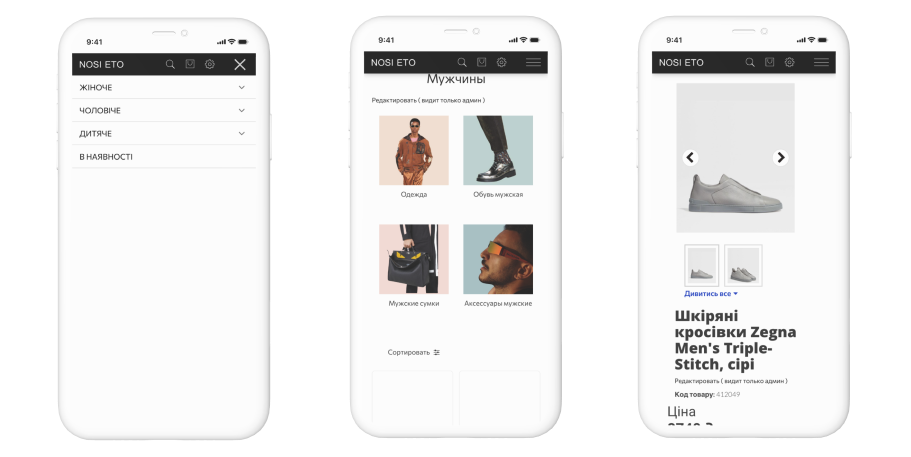
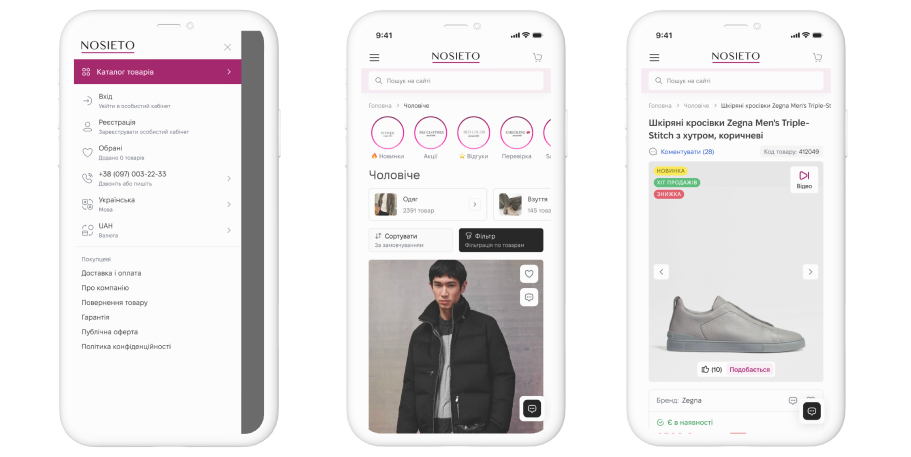
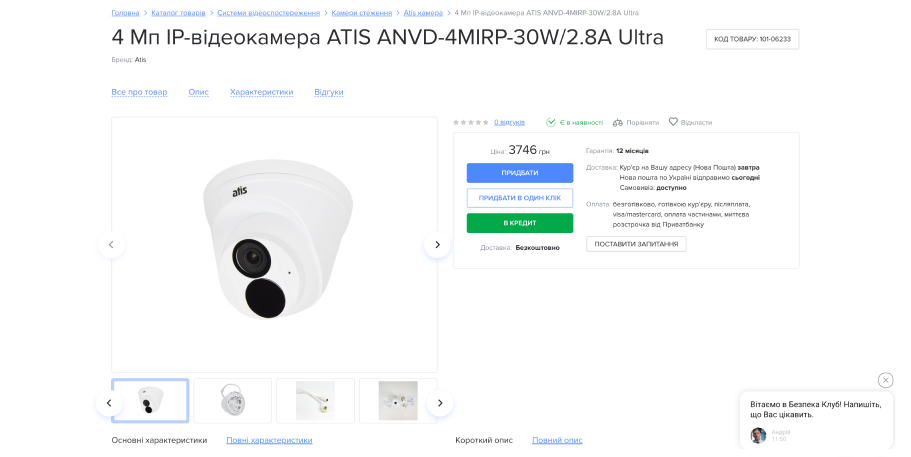
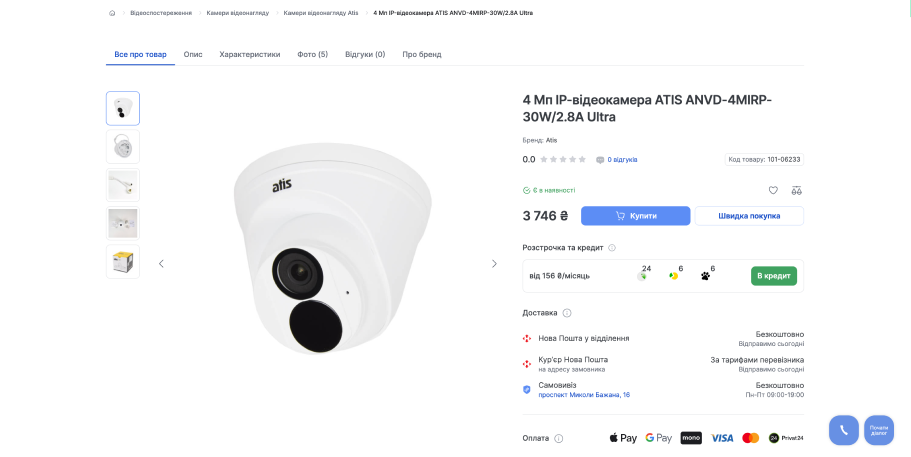
Three examples from our projects. We did more than refresh the visuals: we removed distractions, created a clear hierarchy, and made the key customer action easier to notice.


You can see exactly what we are doing, how long it takes, and what outcome each stage should produce.
A link, problem description, examples, and only the access needed for estimation.
We review the current implementation, dependencies, and possible risks.
We define the solution, scope, timeline, and cost before development starts.
We implement the task and test the main scenario and connected functions.
We demonstrate the changes, collect feedback, and deploy to the live store.
We do not make you buy more than you need. The format depends on the task volume and how often your store needs a developer.
For a specific problem or feature that needs to be implemented.
For a backlog of changes that needs clear priorities.
For stores that evolve every month and need continuity.
See how catalog, checkout, and integration improvements work across real e-commerce projects.
Yes. Most stores come to us with an existing development history. We first review the implementation and dependencies, then propose a safe way forward.
Yes. If the task is local, we estimate and complete it separately. Ongoing support is only needed when tasks appear regularly.
After analysis, we define the scope and time estimate. You receive the estimate before development begins and know exactly what you are paying for.
Usually not. Risky changes are prepared and tested separately, then moved to the live store after verification.
Yes. Before estimating, we check the core version, theme, modifications, and module compatibility, then tailor the solution to the specific store.
Yes. We can work from an existing specification, clarify technical details, and suggest alternatives if a proposed solution creates risks.
Reviews are loaded directly from Google, without edited quotes or selective case studies.


Send us your store link and a short task description. We will ask the right questions, review the implementation, and suggest the next step.


Application successfully sent!